林偉明

Tinybox Systems

Product Design Intern
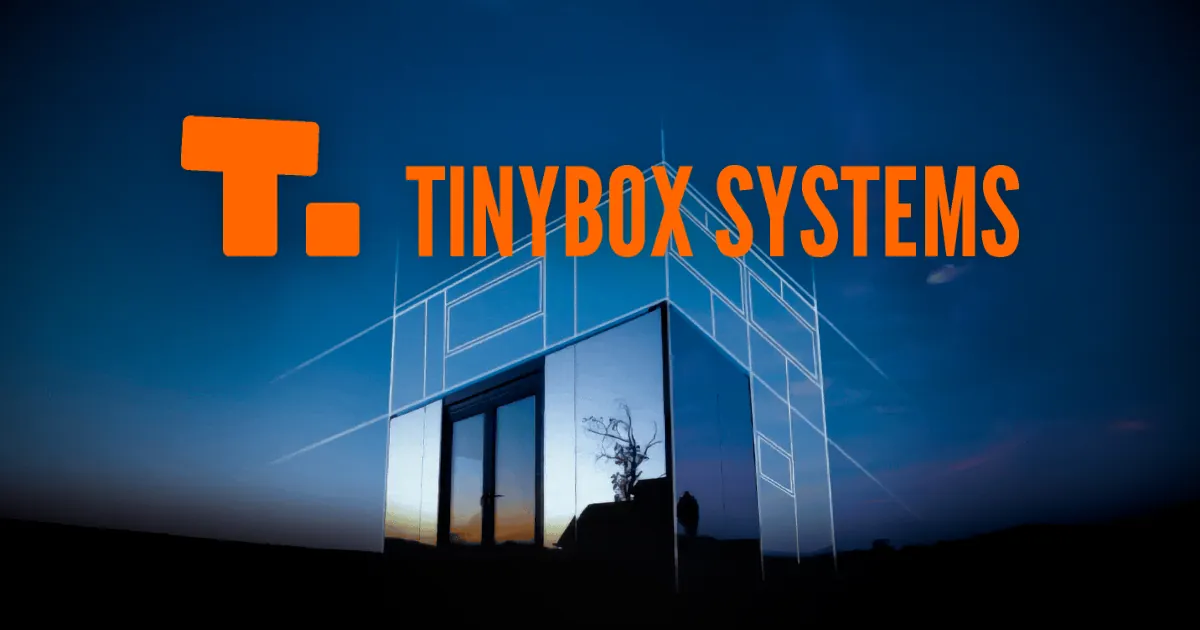
TinyBox Systems is a cleantech housing startup reinventing how homes are built. During my time there, I helped drive brand and go-to-market execution, contributing to 16 units sold in 12 weeks and helping grow a 5,000+ waitlist. My work went beyond building a website—it became a reflection of the product itself.
Timeline
12 months
Tools
Figma, Illustrator, Cursor, After Effects, Premiere Pro, Final Cut Pro, Affinity Photo, Framer, HTML/CSS, HubSpot
Team
Solo designer with architectural engineers
Tinybox Systems modular home exterior

The Challenge

"How do we translate physical engineering constraints into digital assets that build trust?"
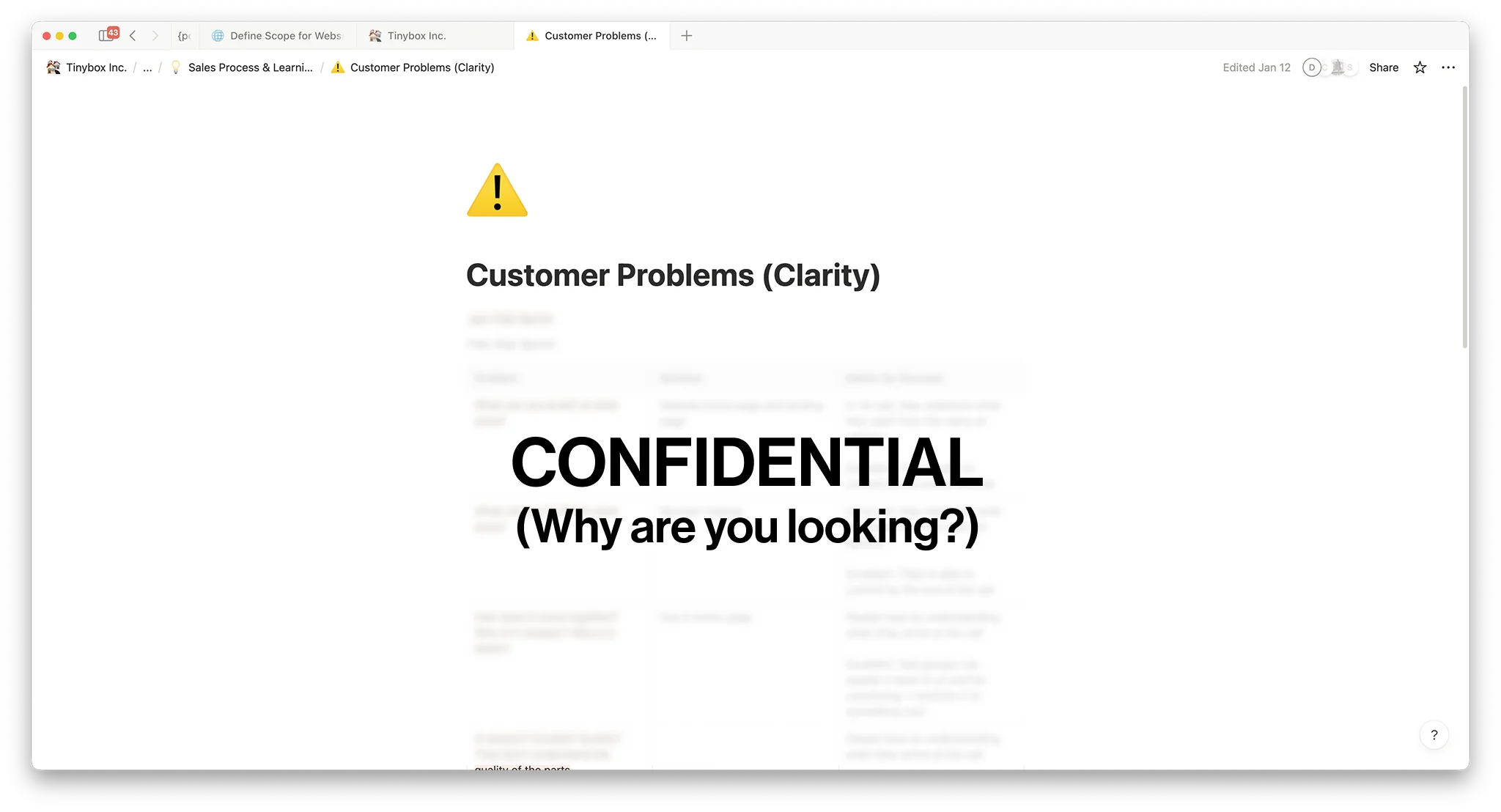
Customer question tracking spreadsheet
Digesting LOTS of questions
We documented lots of questions. Every lead was tracked through the funnel—whether from our website, marketing materials, or direct conversations—it was all measured.
Converting questions to pain points

By translating thousands of client questions and pain points into clear, accessible insights, we bridged the gap between confusion and confidence. This focus on information clarity is exactly what empowers our clients to make informed decisions.
Pain point analysis board

My Specific Focus

I operated as a full-stack designer, handling everything from 3D modeling and web interactions to video production and marketing assets.
3D render of Tinybox modular unitMarketing video still for TinyboxProduct catalogue spread

Introducing: our new identity

Being "full-stack" (Video + 3D + Marketing + Product Designer) was my superpower. It allowed me to execute the entire vision from the product catalogues, videos, campaigns to the final published website—without getting blocked by hand-offs or dependencies.

Product Design

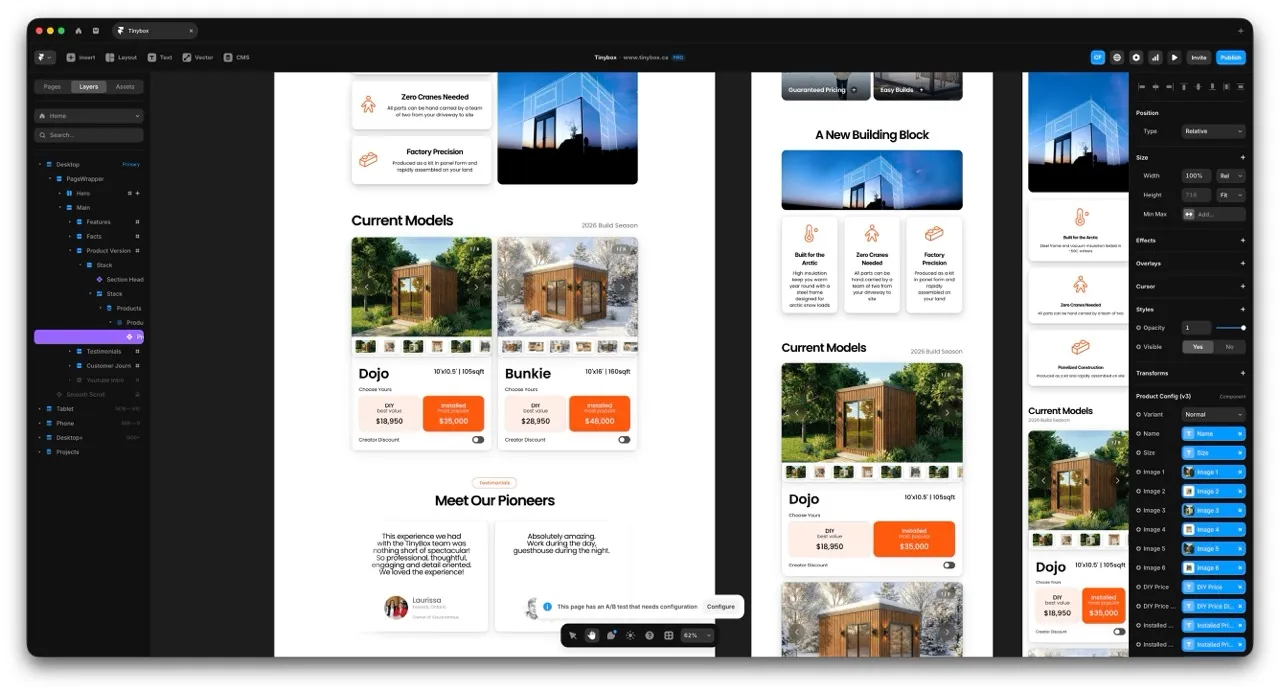
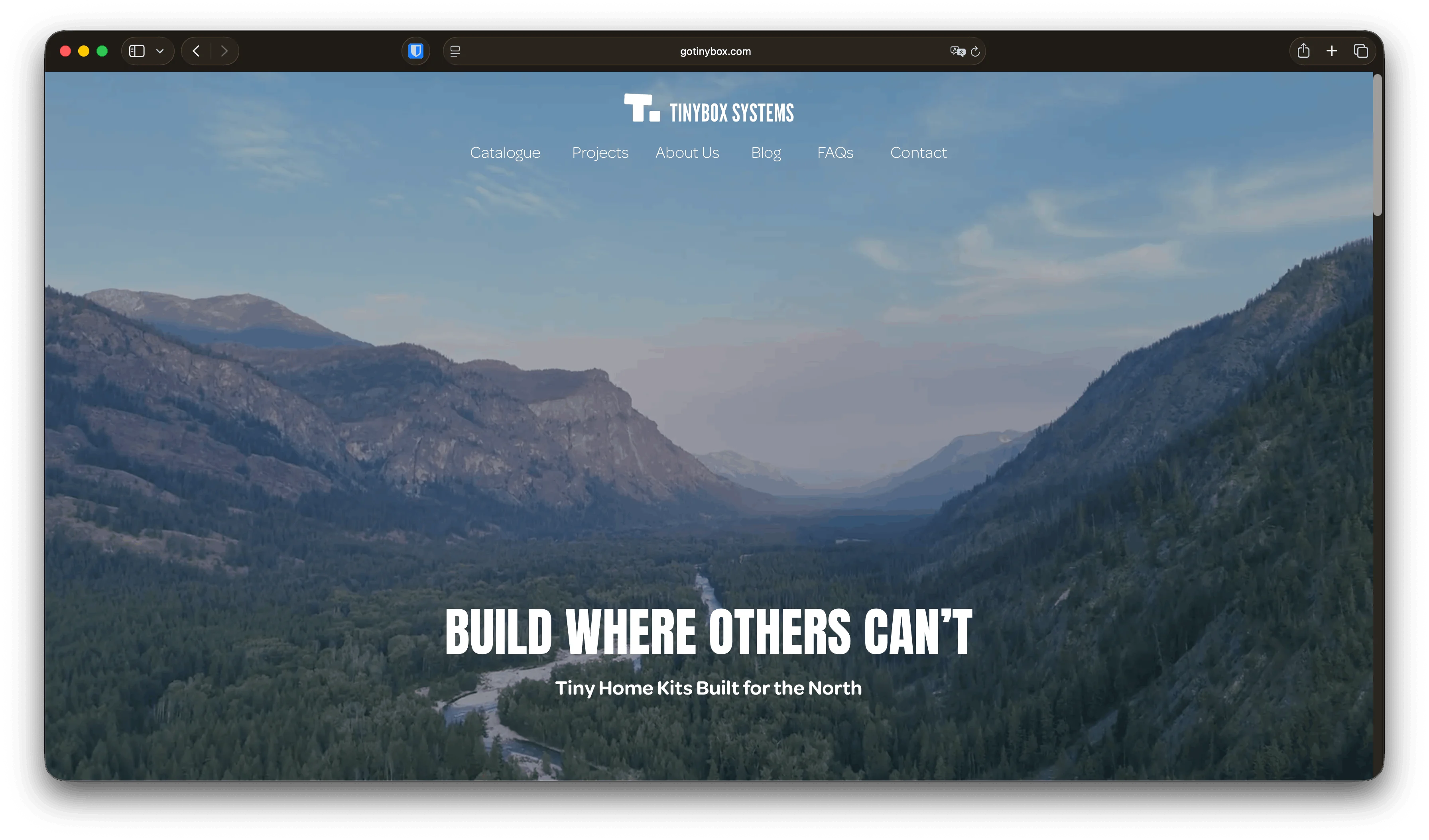
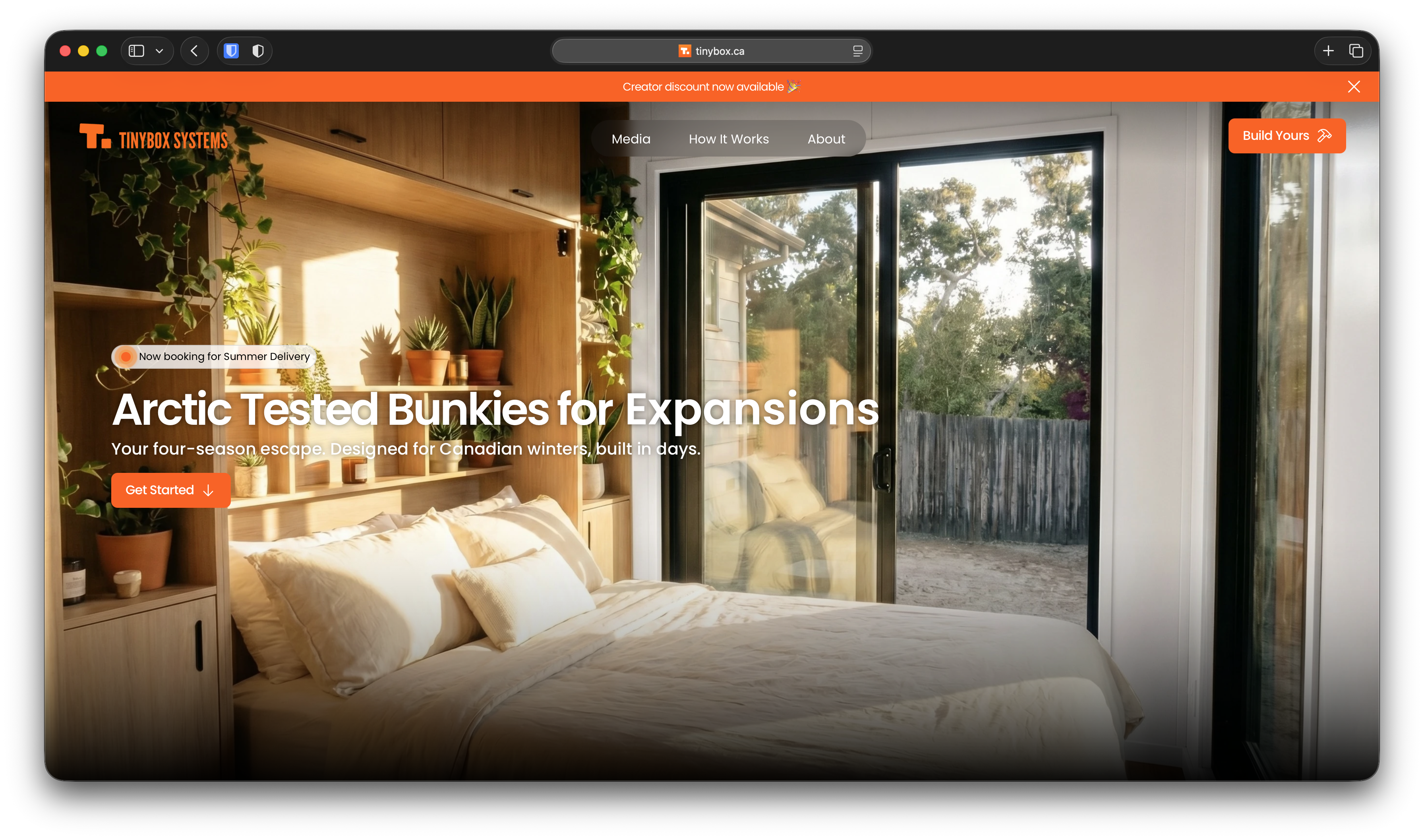
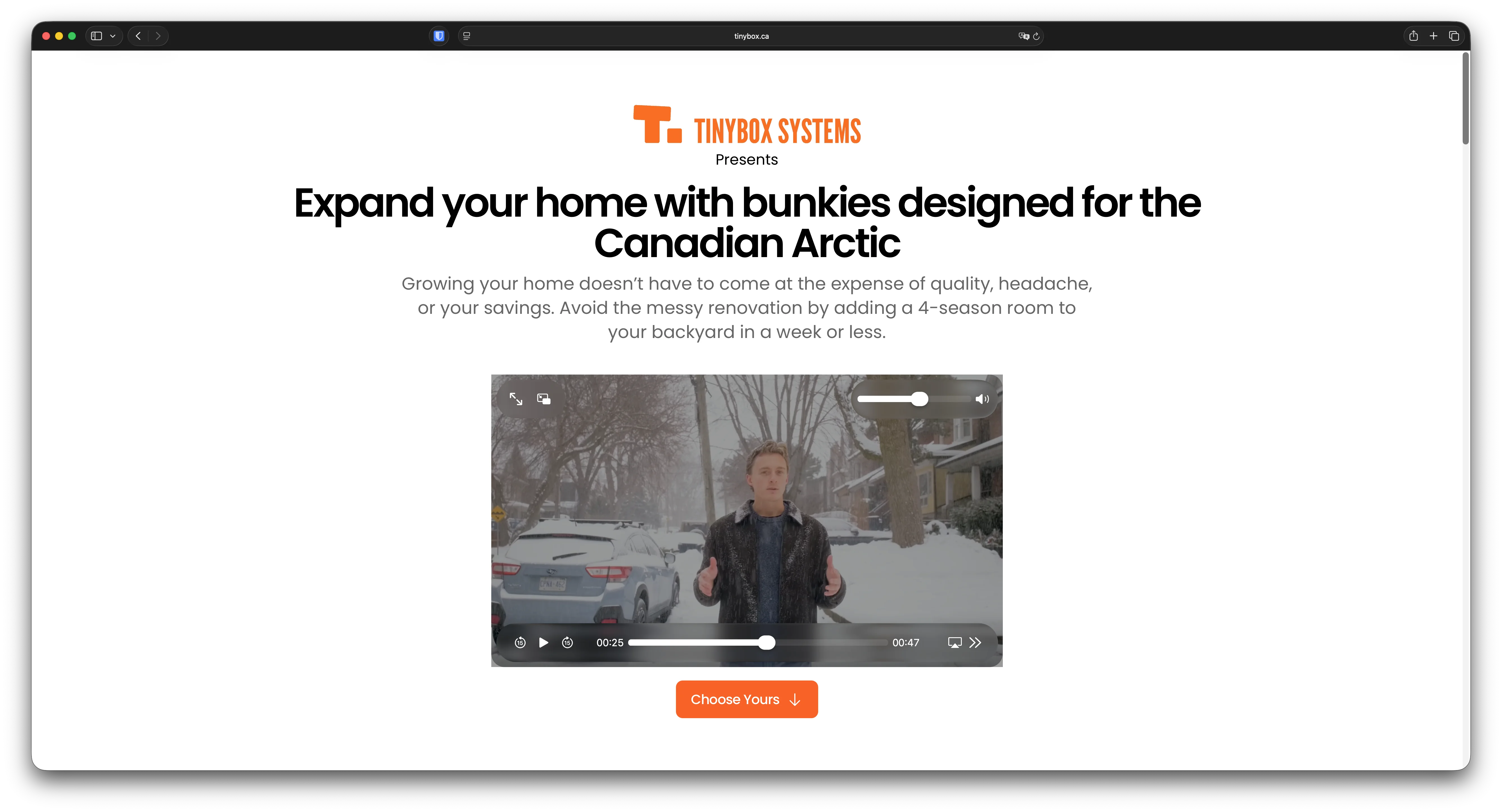
Tinybox website before redesignTinybox website after redesign
Before
After
The Interaction Model
Interactions at Tinybox solve for cognitive load. By using GSAP and custom Framer components, I transformed static specs into a tactile experience for the "Dojo" and "Bunkie" models. We shifted from explaining dimensions to letting users feel them through real-time manipulation of high ceilings and foundations. This eliminated architectural guesswork, resulting in a 40% increase in high-intent quote requests.
The Growth Engine: Bespoke Lead Infrastructure
To scale without bloated enterprise costs, I architected a custom pipeline bridging the Framer frontend to Make.com and Quo CRM. This lightweight stack handles lead cleaning and routing automatically. By building a tailored solution instead of pulling together expensive tools, we reduced lead-to-quote time by 65% and maintained total data integrity from the initial webhook to the final sales sheet.

Marketing

Performance-Driven Advertising
Utilizing a custom Meta Pixel strategy, I shifted our advertising focus from broad awareness to high-intent lead generation. By logging interactions deep within our custom funnel, we identified that users engaging with the 3D foundation viewer had a 3x higher conversion rate. We leveraged these metrics to rapidly iterate on ad creatives, ensuring our budget was exclusively funneled into the variations that drove the most qualified traffic to our "Dojo" and "Bunkie" landing pages.
Defining our value
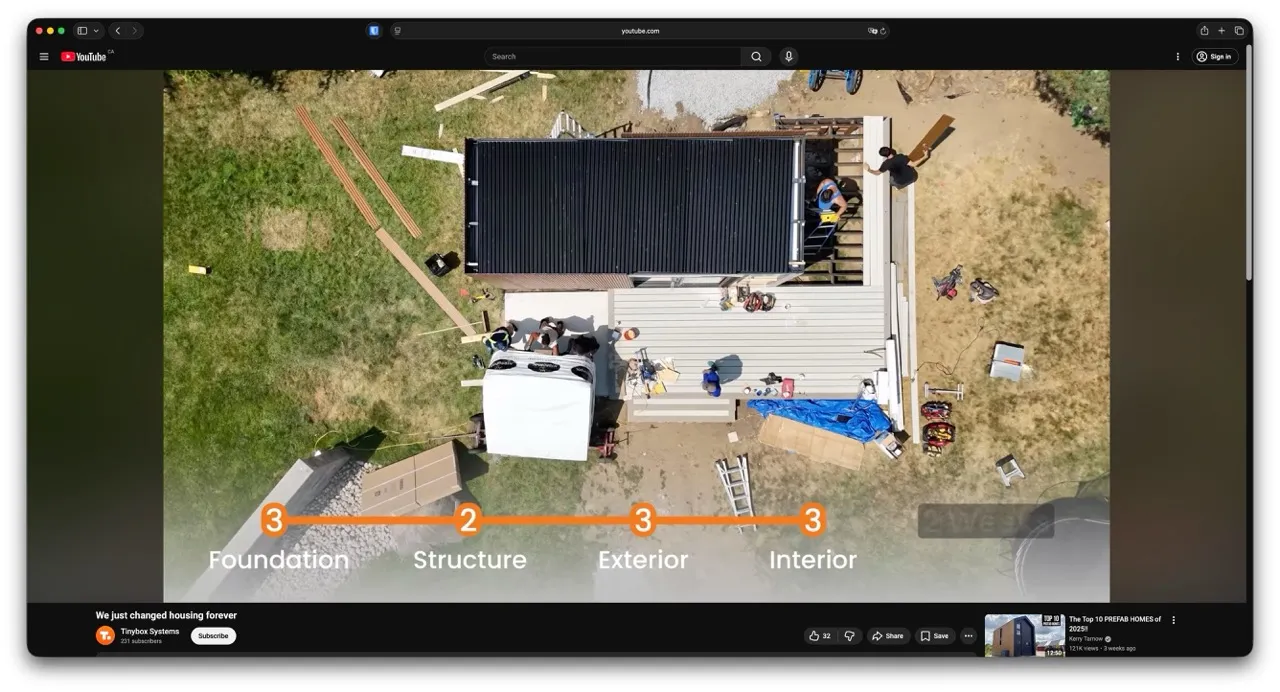
A lot of people don't know exactly what we offer—until now. This explainer video distills the noise into signal. In five minutes, it outlines the housing problems we aim to attack, our "real intent," and the core values that drive our solution, making our complex offering immediately accessible.
Streamlining Information Access
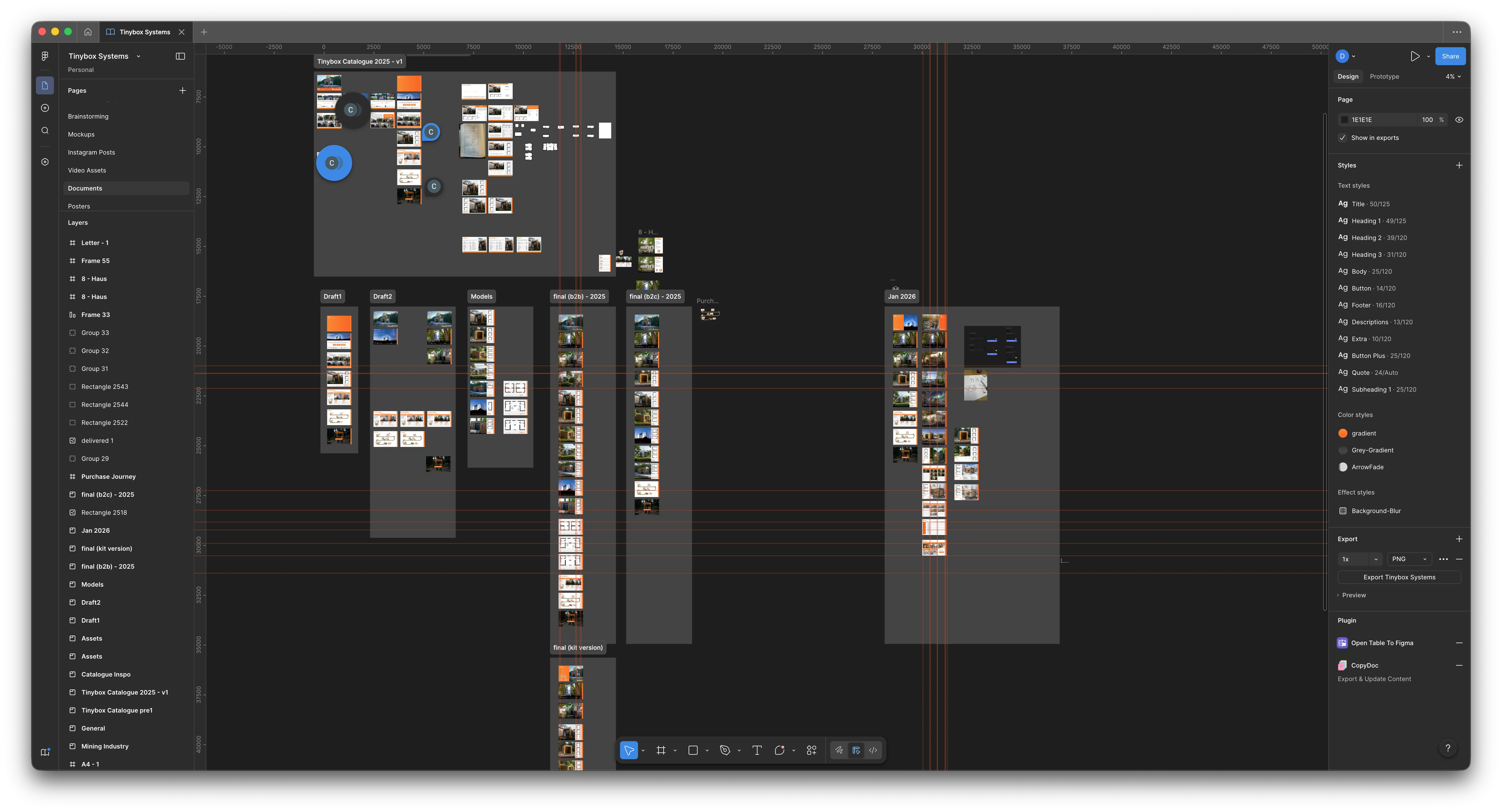
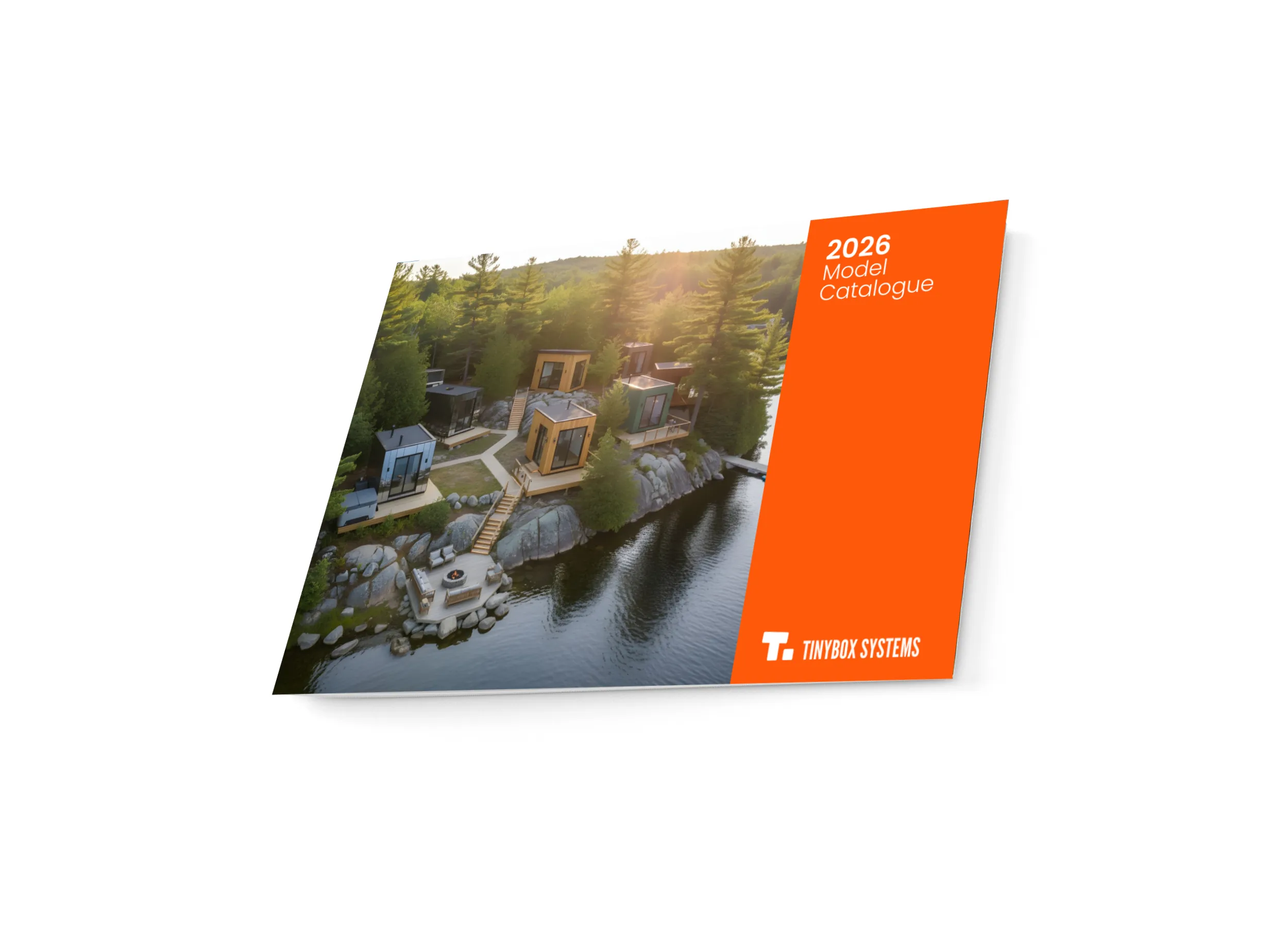
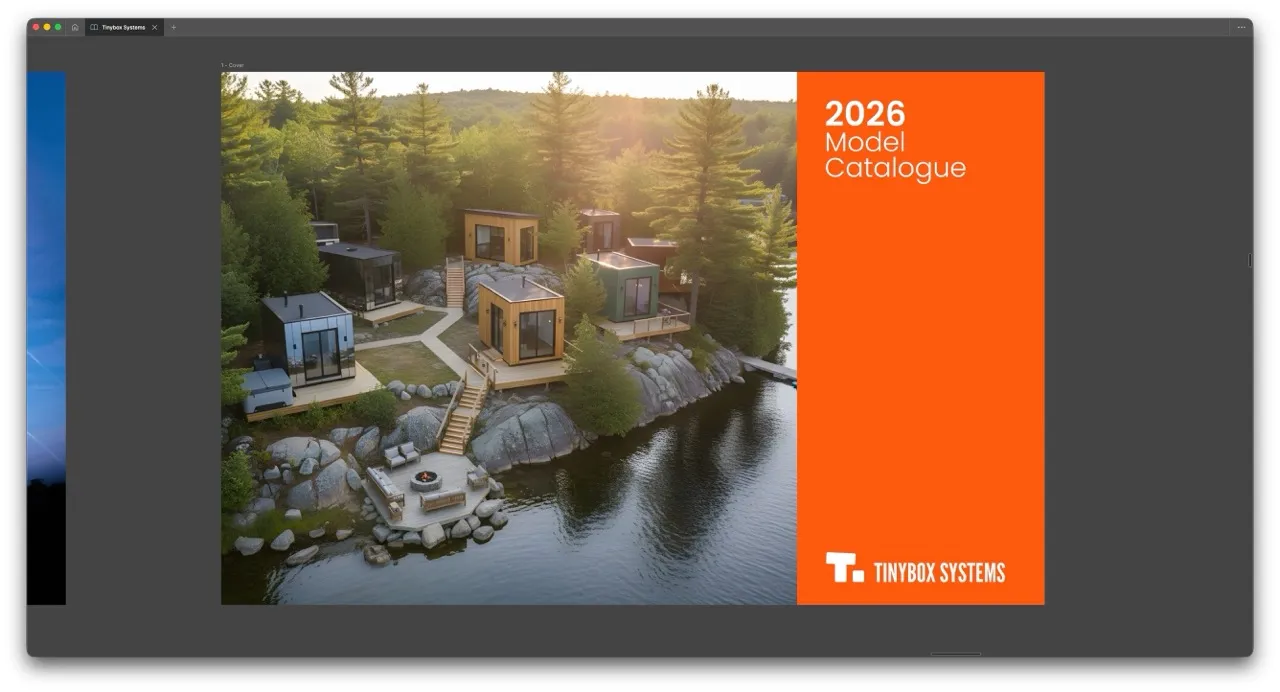
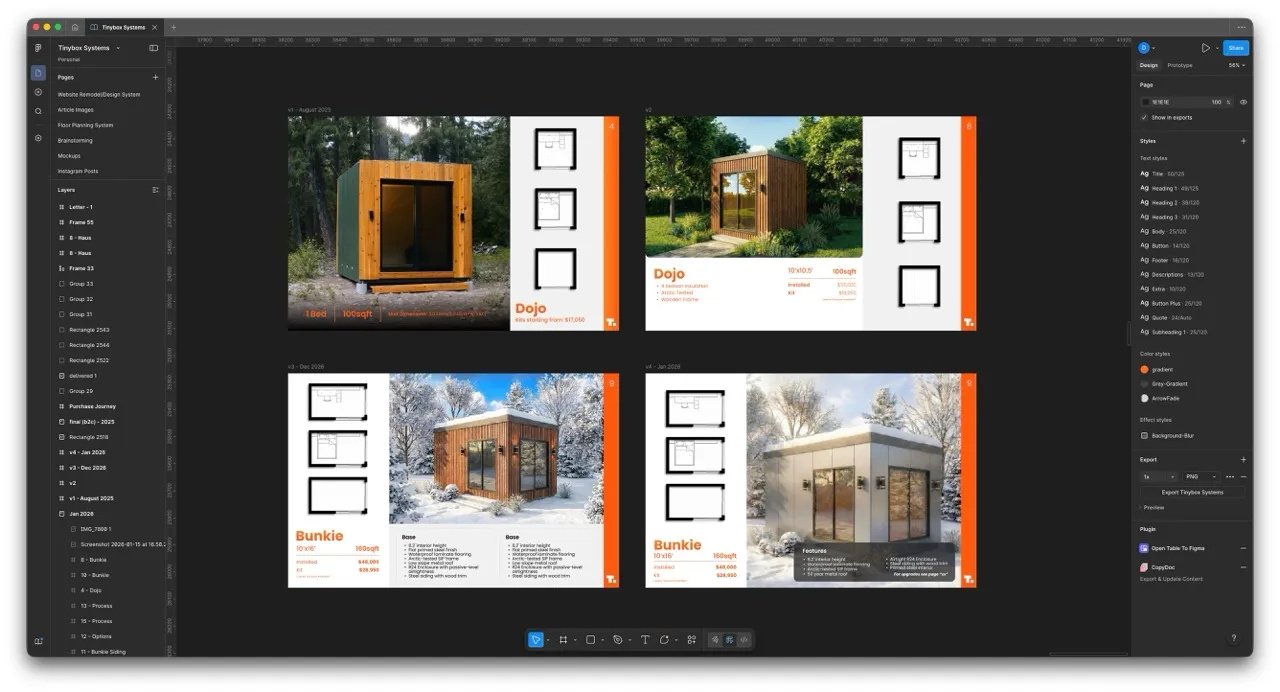
Accessibility was key. We created a comprehensive product catalogue that caters to our entire customer base by housing all critical information in one place. Whether it's browsing current offerings or understanding our process, the design prioritizes readability and shareability. This reduced the friction of explanation, allowing clients to view our full value proposition at their own pace.
Tinybox product catalogue layout

The Outcome

We moved beyond a simple brochure to create a dynamic lead nurturing engine.

The Asset Library

Built a comprehensive catalog, interactive web demos, and a suite of engineering-focused videos.
Product catalogue and interactive web demos

The Shift

Successfully pivoted our content strategy from static posts to immersive video storytelling ("Lighting in the real world") to better demonstrate value.
Video storytelling campaign still

The Win

Established a "well-rounded" design loop where customer feedback immediately informs new visual assets.
Customer feedback design loop visualization

Correlating Design Iteration to Revenue

Chart correlating design sprint cycles with qualified leads and sales growth
Internal database metrics confirm a direct link between our design sprints and commercial growth. By optimizing the sales funnel through high-fidelity interactions and automated nurturing, we achieved more than just volume. We scaled intent.
Surge in Qualified Leads Post-iteration, we saw a 3x growth in high-intent leads as customers became more informed through the interactive experience.
Synchronized Revenue Cumulative sales figures trended upward in direct alignment with our funnel updates, reducing friction and accelerating the path to purchase.
Predictable Growth The tight correlation between our sprint timelines and real-time sales proves that our custom infrastructure turned the website into a stabilized, high-velocity growth engine.

Customer Impact

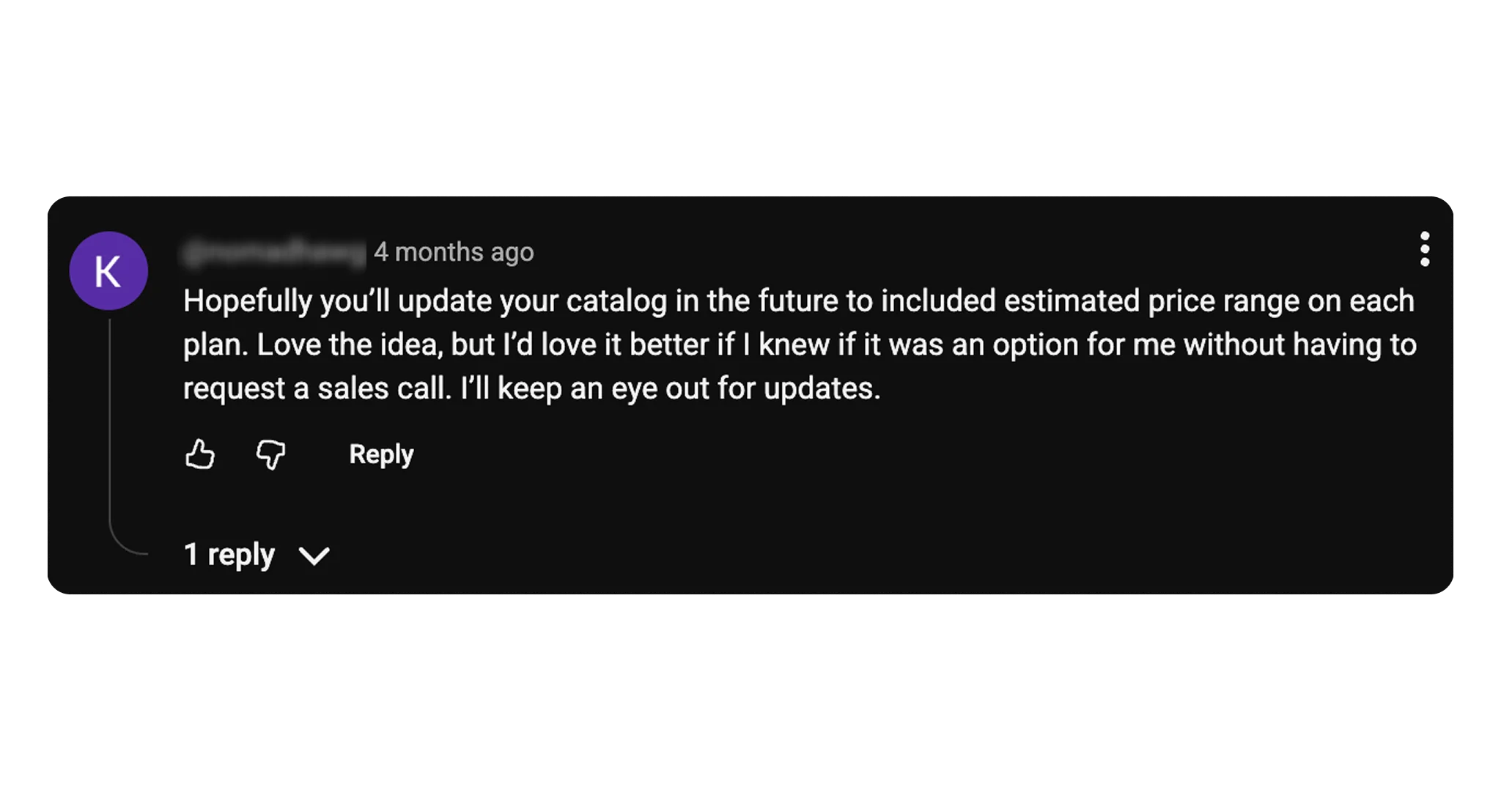
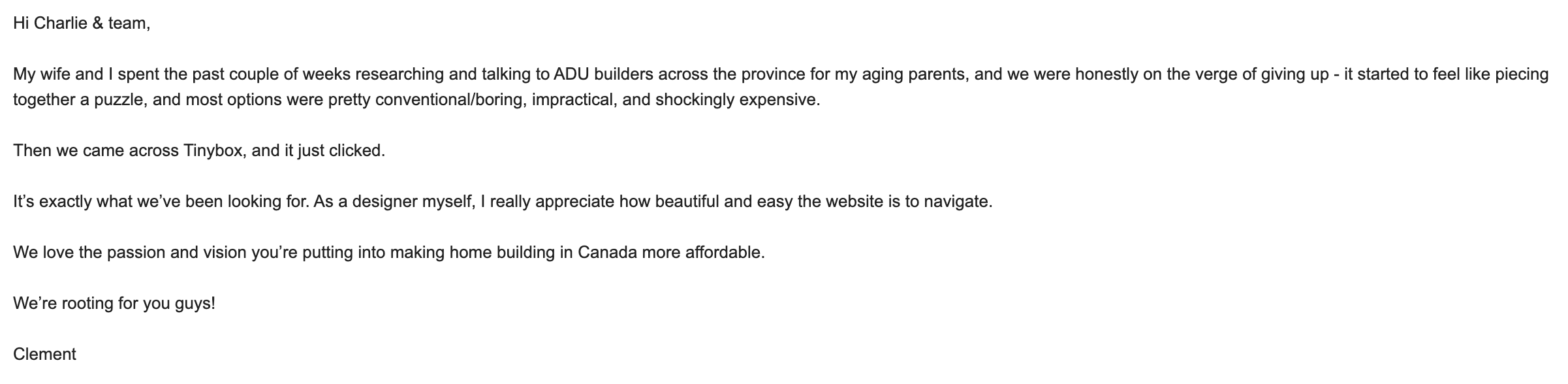
A real customer shared this after going through our website and digital experience. This is what drives us to constantly improve our digital product offering and my work.
Real customer thank you message highlighting Tinybox impact
Next Case Study
Graziani + Corazza Architects →